If you're experiencing signs like blurriness or night vision problems, you might be questioning corneal cross-linking for keratoconus. https://rentry.co/2vhwhoy6 can strengthen your cornea and potentially halt the progression of your condition. Recognizing how it functions and identifying when you could require it is essential for maintaining your vision. Let's discover the system behind this therapy and identify the indicators that might suggest it's time to consider this alternative.
Comprehending Corneal Cross-Linking and Its System
Corneal cross-linking (CXL) is a groundbreaking therapy that enhances the cornea, specifically for those with keratoconus.
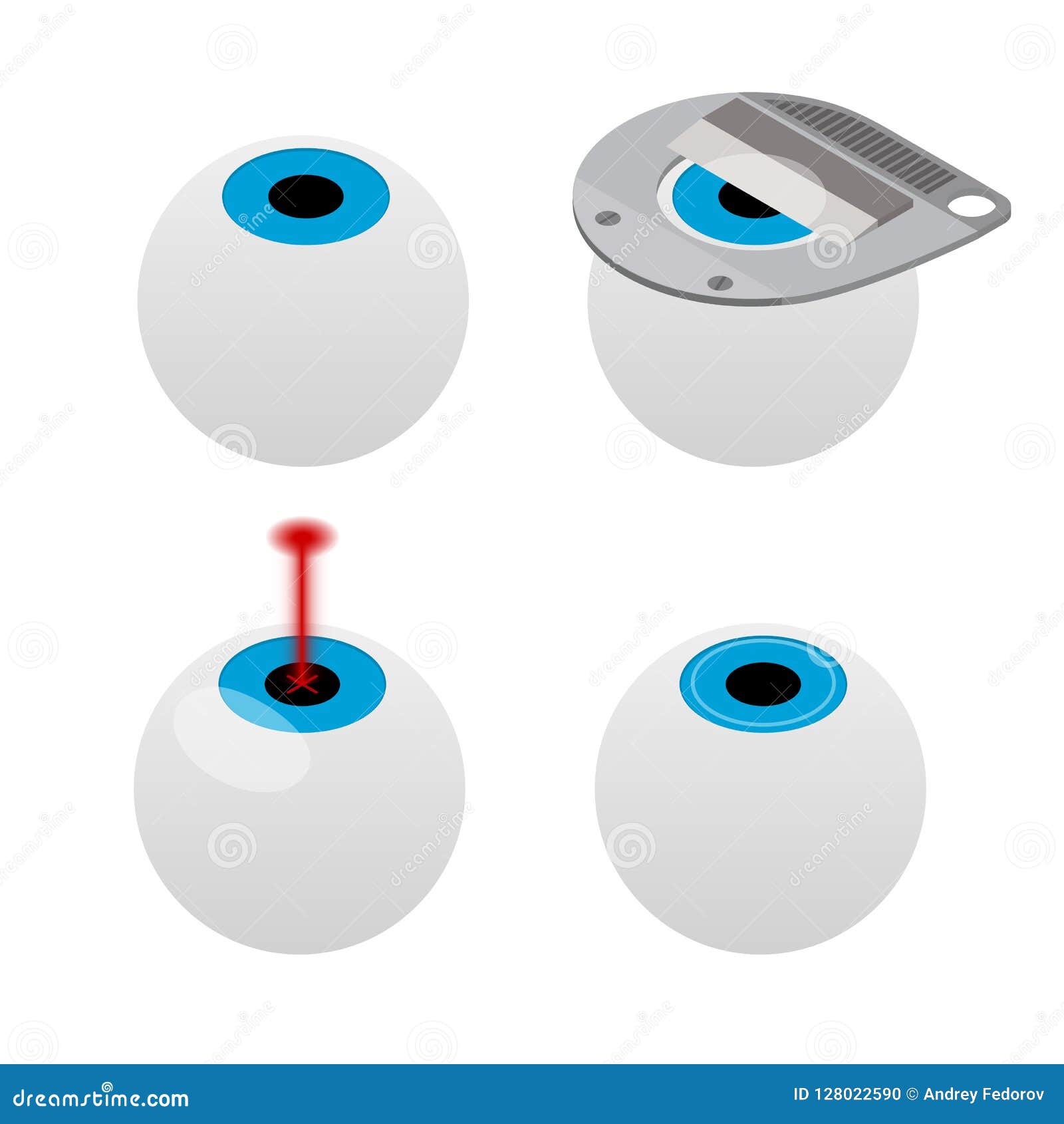
This cutting-edge treatment jobs by using a mix of riboflavin (vitamin B2) and ultraviolet (UV) light. When the riboflavin is applied to your cornea, it permeates the tissue.
Once it's sufficiently absorbed, the UV light is guided onto your cornea, launching a reaction that creates new bonds in between collagen fibers. This procedure increases the stiffness of the cornea, avoiding further bulging and vision damage.
You may experience some pain during the therapy, yet it's typically well-tolerated.
Understanding just how CXL functions assists you value its importance in handling keratoconus and preserving your vision.
Advantages of Corneal Cross-Linking for Keratoconus Patients
For those facing keratoconus, the advantages of corneal cross-linking (CXL) can be life-altering. Dr Waite Keratoconus Salt Lake City reinforces your cornea, slowing down and even halting the development of keratoconus.
By enhancing the cross-links in the corneal cells, CXL enhances its security, enhancing your vision in time. Lots of individuals experience minimized aesthetic changes, which can make daily activities easier.
CXL additionally lowers the risk of issues associated with sophisticated keratoconus, potentially postponing or preventing the need for a corneal transplant.
In addition, the treatment is minimally invasive and typically executed on an outpatient basis, enabling a quicker recovery.
Signs You Should Think About Corneal Cross-Linking Treatment?
Are you seeing raised blurriness or frequent modifications in your vision? These could be signs that keratoconus is proceeding, and it might be time to consider corneal cross-linking.
If you're experiencing trouble with night vision or glare, that's another red flag. You might likewise discover that your glasses or get in touch with lenses aren't providing the clearness they used to, showing your cornea is deteriorating.
Additionally, if you're feeling pain or discovering a modification in the shape of your cornea, these signs warrant a conversation with your eye treatment specialist.
Early treatment can avoid further vision loss, so do not wait to consult if you discover these indications. Your vision is valuable; act to shield it.
Conclusion
Corneal cross-linking can be a game-changer for managing keratoconus. By strengthening your cornea, it helps protect your vision and enhance your quality of life. If you're experiencing signs and symptoms like boosted blurriness or night vision problems, do not wait-- consult an eye treatment specialist. Early intervention is crucial to halting the development of keratoconus. With the right treatment, you can take control of your vision and enjoy clearer sight for several years to find.